🍗🐾 What To Feed (and What Not To) Your Dog This Christmas
Sharing the feast safely
We all know that look. You’re carving the turkey, and your dog is right there under the table - eyes wide, tail wagging, silently chanting, “Drop something… anything.”
At Ollie’s Adventure Walks, we understand the temptation to give them a little something special. After all, dogs are family, and Christmas is about sharing. But not everything on our festive plates is dog-friendly, and some foods can cause real harm.
Here’s how to strike the right balance between treating your dog and keeping them healthy this Christmas.
The “yes” list: safe Christmas treats for dogs
If you want your dog to join in the festivities, there are plenty of safe, simple options. Stick to plain, cooked, and unseasoned foods, and always serve them in moderation.
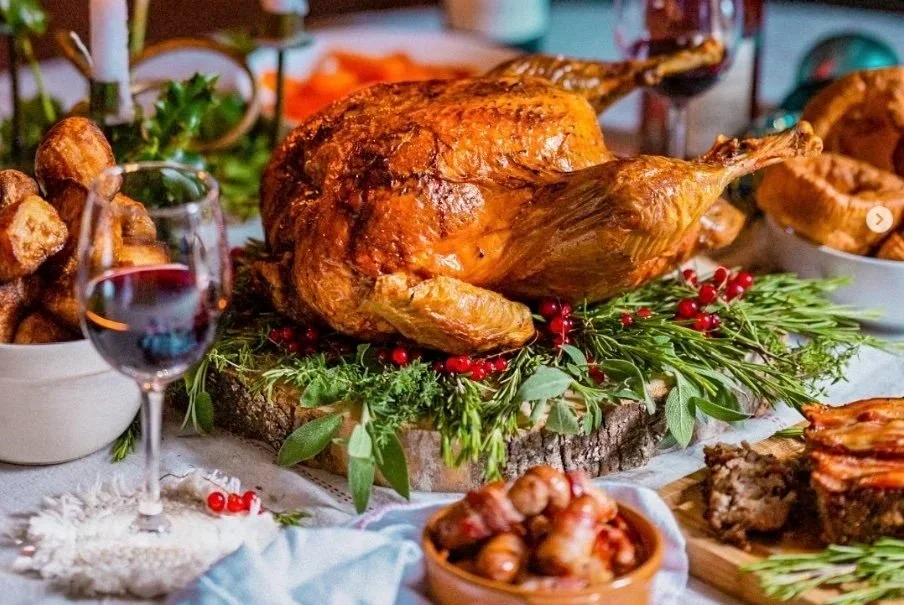
✅ Turkey (without skin or bones): Lean, high-protein, and perfect as a small festive treat.
✅ Carrots, peas and green beans: Crunchy, healthy, and low in calories.
✅ Potatoes (plain, not roasted or mashed): A good source of energy, skip the butter and seasoning.
✅ Eggs: Plain scrambled or boiled eggs make a great Christmas breakfast treat.
✅ Apple slices or blueberries: Ideal for a sweet-but-safe nibble.
We often make a small “doggy dinner” for our home boarding guests on Christmas Day, just a spoonful of plain turkey with some vegetables on the side. It keeps them feeling included and ensures they’re eating safely.
The “absolutely no” list: foods to avoid
According to the Kennel Club, some Christmas staples are best kept well away from hungry noses:
🚫 Chocolate: Contains theobromine, which is toxic to dogs.
🚫 Christmas pudding, cake and mince pies: Packed with raisins, currants, and alcohol — all dangerous.
🚫 Stuffing and gravy: Usually contain onion or garlic, which can damage red blood cells.
🚫 Cooked bones: Turkey or chicken bones can splinter and cause internal injury.
🚫 Fatty meats and trimmings: High-fat foods can trigger pancreatitis.
🚫 Nuts (especially macadamia): Can cause tremors and weakness.
🚫 Alcohol: Even small amounts can be toxic.
If in doubt, assume it’s a no - and have a few dog-safe treats ready instead. The Vets Now Christmas safety guide has a full list of dangerous festive foods worth bookmarking.
The “maybe” list: moderation is key
Some foods aren’t strictly off-limits but should be given sparingly, especially if your dog has a sensitive tummy.
⚠️ Cheese: Small cubes as an occasional treat are fine, but avoid blue or soft cheeses.
⚠️ Bread or pastry: A few crumbs won’t hurt, but too much can cause bloating.
⚠️ Cranberry sauce: In tiny quantities only, many versions are high in sugar.
Remember, dogs don’t need big portions to feel special. A few tasty bites are enough to make their tails wag.
Avoiding festive overindulgence
Just like us, dogs can easily overdo it at Christmas. Rich foods, excitement and change in routine can all upset their digestion. If your dog starts showing signs of tummy trouble, like vomiting, diarrhoea, or tiredness, keep them hydrated, rest them, and contact your vet if symptoms persist.
At Ollie’s Adventure Walks, we find that sticking to routine feeding times helps a lot. Even our day care dogs get meals on their usual schedule, with maybe one or two safe festive extras for fun. Dogs love predictability — and their stomachs do too!
Keeping food thieves at bay
It’s amazing how inventive dogs become around Christmas food. We’ve seen Labradors master the art of counter-surfing, and Terriers who could give Santa a run for his money in the sneaking department.
To avoid any mishaps:
Keep chocolate boxes, wrapped food and leftovers well out of reach.
Use a sturdy bin with a lid.
Don’t leave food gifts under the tree. (Your dog can smell through paper better than you can smell mulled wine.)
If you’re hosting or visiting relatives, make sure everyone knows the “no” list, Well-meaning guests often slip dogs treats without realising the risk.
Safe festive treats and toys
If you want to spoil your dog safely, look for Christmas-themed treats made specifically for dogs. Many brands now do advent calendars, festive biscuits, and even dog-friendly gravy that’s gentle on tummies.
For extra fun, stuff a Kong with mashed sweet potato, dog-safe peanut butter, or a bit of turkey and carrot. Freeze it for a longer-lasting treat — it’s a brilliant distraction when the house is busy.
We use these kinds of enrichment toys in our home boarding set-up, especially over the festive period, to keep guests happy and calm while the world outside gets noisy and busy.
What to do if your dog eats something they shouldn’t
If your dog sneaks something dangerous, especially chocolate, raisins, cooked bones or alcohol, don’t wait. Call your vet or an emergency clinic immediately.
As Pets4Homes points out, timing is everything. Acting fast can make all the difference. Try to note what they ate, when, and how much.
And remember: never try to make your dog vomit yourself unless your vet specifically tells you to.
A simple Christmas message from us
For us at Ollie’s Adventure Walks, the best Christmas gift you can give your dog is your attention, whether that’s a long frosty walk, a cuddle by the fire, or a safe little plate of plain turkey next to yours.
So keep things simple, safe, and full of love this season. And if you’re travelling or have a house full of guests, we’re here to help, with home boarding and day care that feel like an extension of your own family. Warm, caring, and always centred around wagging tails.
Related reads
👉 Festive Paws: How to Keep Your Dog Safe and Happy This Christmas
👉 Holiday Guests, New Dogs, and Boarding: What Your Dog Needs This Festive Season
👉 Coats, Boots and Visibility: Winter Walk Gear Your Dog Actually Needs