
🐾 Paw Protection 101: Salt, ice and winter hazards every dog owner should know
There’s something wonderful about watching dogs race through frosty grass, ears flapping, tails flying, leaving little paw prints like confetti behind them. But as beautiful as those winter landscapes can be, the colder months bring their own challenges, especially for paws.
At Ollie’s Adventure Walks, we’re out in the fields and woodlands around Hastings every day — from soft, muddy tracks on the Downs to grassy meadows that glisten with morning frost. Those natural surfaces are far kinder on paws than pavements, but they still come with hazards like frozen mud, sharp ice, and the occasional salty patch near roads or car parks.
Over the years, we’ve learned that winter walks need a bit more paw prep, not to limit the fun, but to make sure every dog finishes their adventure with feet as happy as their faces.
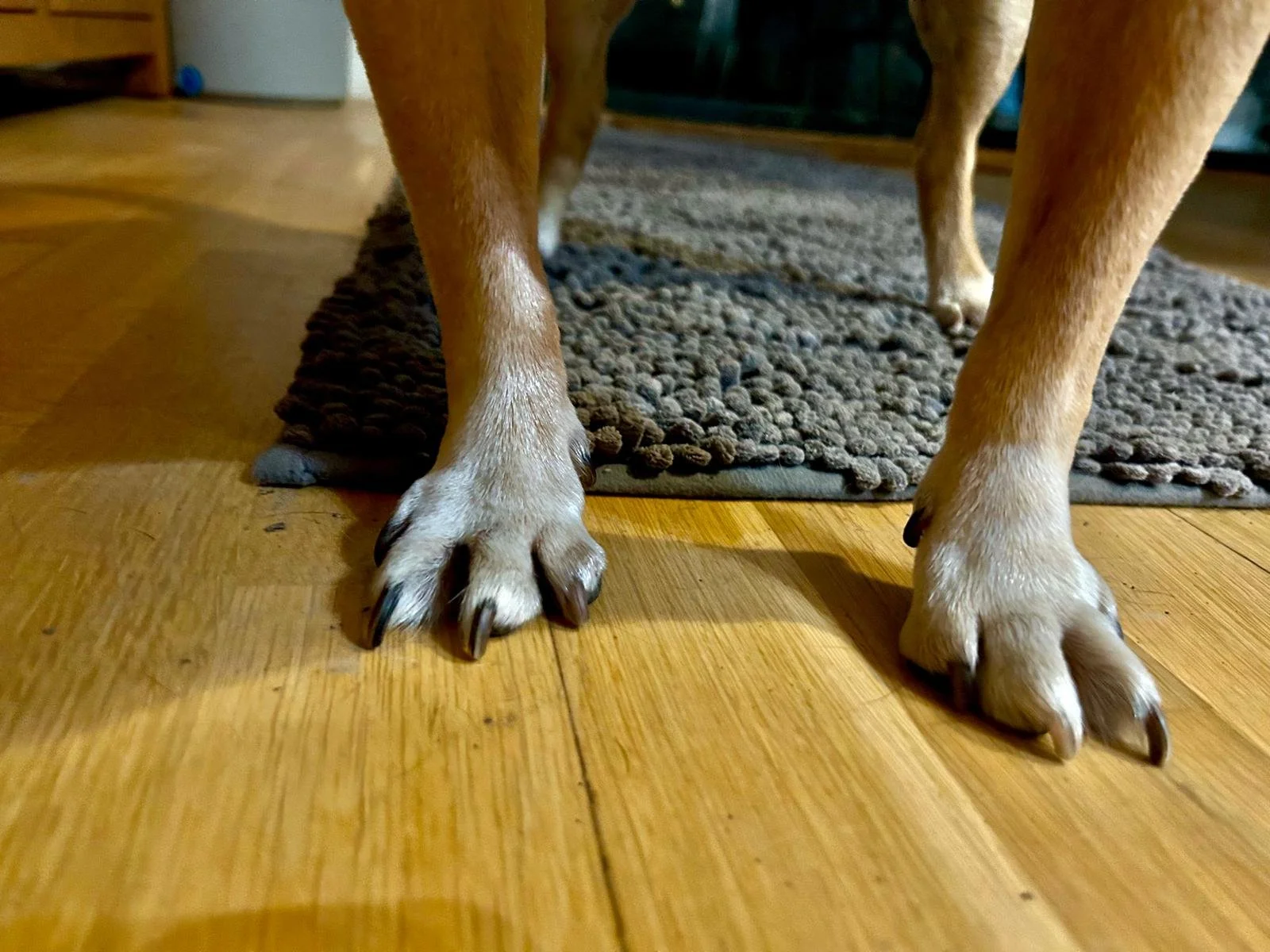
The hidden culprits: salt, grit, and frozen ground
Even when you stick to countryside routes, winter weather can still play tricks on your dog’s paws. Frozen earth hardens, puddles ice over, and roadside paths can pick up salt or grit from nearby roads.
As Dogs Trust reminds us, road salt and de-icing chemicals can dry out and irritate a dog’s paw pads, while ice can cause small cuts or abrasions. And because dogs lick their paws after walks, that salty residue can lead to upset stomachs or even mild poisoning.
That’s why we plan our routes carefully, preferring sheltered trails, woodland loops and grassy tracks, and make paw protection part of our winter routine.
Before the walk: prep like a pro
You don’t need fancy gear to protect your dog’s paws, just a bit of common sense and consistency. Before every chilly outing, we take a few quick steps to prepare:
Trim the fur between paw pads. Long hair traps grit, ice and mud, forming hard little clumps that can pull or pinch. Keeping it tidy makes cleaning easier too.
Apply a protective balm. A thin layer of paw wax or balm acts like a waterproof barrier, shielding pads from ice and frost. Look for natural ingredients like beeswax or shea butter.
Booties (optional!). Not every dog loves them, but for older dogs or those with sensitive feet, they’re brilliant on frozen or rough terrain.
Check your route. Avoid roadsides or car parks where salt may have spread. Grassy fields, forest paths and bridleways are ideal — soft, forgiving and paw-friendly.
On frosty mornings, we’ll often start in open meadows, then head for wooded sections where the ground is a little warmer and easier underfoot. It keeps the dogs moving comfortably and gives them plenty to sniff and explore.
During the walk: keep an eye on those paws
Even with the best preparation, winter terrain can throw surprises your way. We’re constantly scanning the ground and watching the dogs’ body language , they’ll often tell you when something doesn’t feel right.
If a dog starts to lift a paw repeatedly, lick at their foot, or walk gingerly, it’s time for a quick pit stop. We carry soft cloths and wipes in our walking packs so we can clean paws on the go. It’s a small thing, but it keeps everyone comfortable, and avoids that sad “I’ve got something in my paw” face halfway through a walk.
And when it’s icy, we slow the pace and avoid frozen puddles or compacted paths. Dogs are natural adventurers, but we like to keep exploration safe, not slippery.
After the walk: wipe, check, and dry
If there’s one rule we swear by in winter, it’s this: never skip the post-walk paw check.
After every adventure, before anyone jumps back in the van or curls up at home, we do a quick three-step routine:
Wipe down – use a damp cloth or paw wipe to remove any grit, salt or mud.
Dry thoroughly – water trapped between toes can cause cracking or irritation.
Soothe and protect – a small dab of paw balm replenishes moisture and keeps pads supple.
We’ve made it part of the ritual — a moment to slow down, towel off, and give each dog a bit of calm attention after all that excitement. It’s practical, but it’s also a bonding moment they really enjoy.
Warning signs to look for
If your dog’s paws start feeling the effects of the cold, you’ll usually notice quickly. Signs include:
Excessive licking or nibbling at feet
Redness, dryness or cracks on the pads
Limping or walking hesitantly
Whining when paws are touched
If you see these, give them a rest day and moisturise their pads regularly. Severe cases, especially if the pads look inflamed or bleeding — should always be checked by a vet.
Our winter paw-care favourites
We’ve tested countless products over the years, and these are the ones we actually rely on during those muddy, frosty months:
Musher’s Secret Paw Wax – long-lasting, protective, and completely lick-safe.
Natural beeswax balms – great for everyday use and gentle on sensitive skin, like this one from BEE Cosmetics.
Microfibre towels – essential for quick-drying muddy legs and paws.
Biodegradable paw wipes – handy for on-the-go cleaning mid-walk, like these ones from Bugalugs.
And if you prefer to go DIY, a simple mix of coconut oil, shea butter, and beeswax melted together makes a lovely home-made balm. We keep a little tin in the van all winter.
A little love goes a long way
Paw care might sound routine, but to us it’s one of those small rituals that turns everyday walks into genuine care moments. When we kneel down to wipe off the mud, or massage balm into a paw pad, we’re not just preventing dryness, we’re building trust.
That’s the beauty of what we do here at Ollie’s Adventure Walks. Every walk, even a frosty one, is about connection: with nature, with the dogs, and with the joy of being outside together.
So, next time you head out on a cold morning, take a minute to prep those paws. Because when feet are happy, the whole adventure feels better, and that’s what keeps those tails wagging all winter long.
Related reads
👉 Coats, Boots and Visibility – Winter Walk Gear Your Dog Actually Needs
👉 Spot the Signs – How to Tell When Your Dog Is Too Cold on a Walk